

At 08:10, a Dubai logistics company receives a call from its software supplier. An administrator’s credentials may have been used to open customer files. Staff can still take orders, but nobody knows which data was accessed or whether the administrator account supports other systems. The supplier wants to suspend access. The operations manager worries that doing so will stop the warehouse. The company needs a way to make those decisions while facts are still incomplete.
A usable incident plan gives people authority to act, a separate communication route and a common record of what happened. It also tells them when to involve the bank, a supplier, police or a privacy authority. Build the plan around a scenario the business could face and test it with the people who would be on duty.
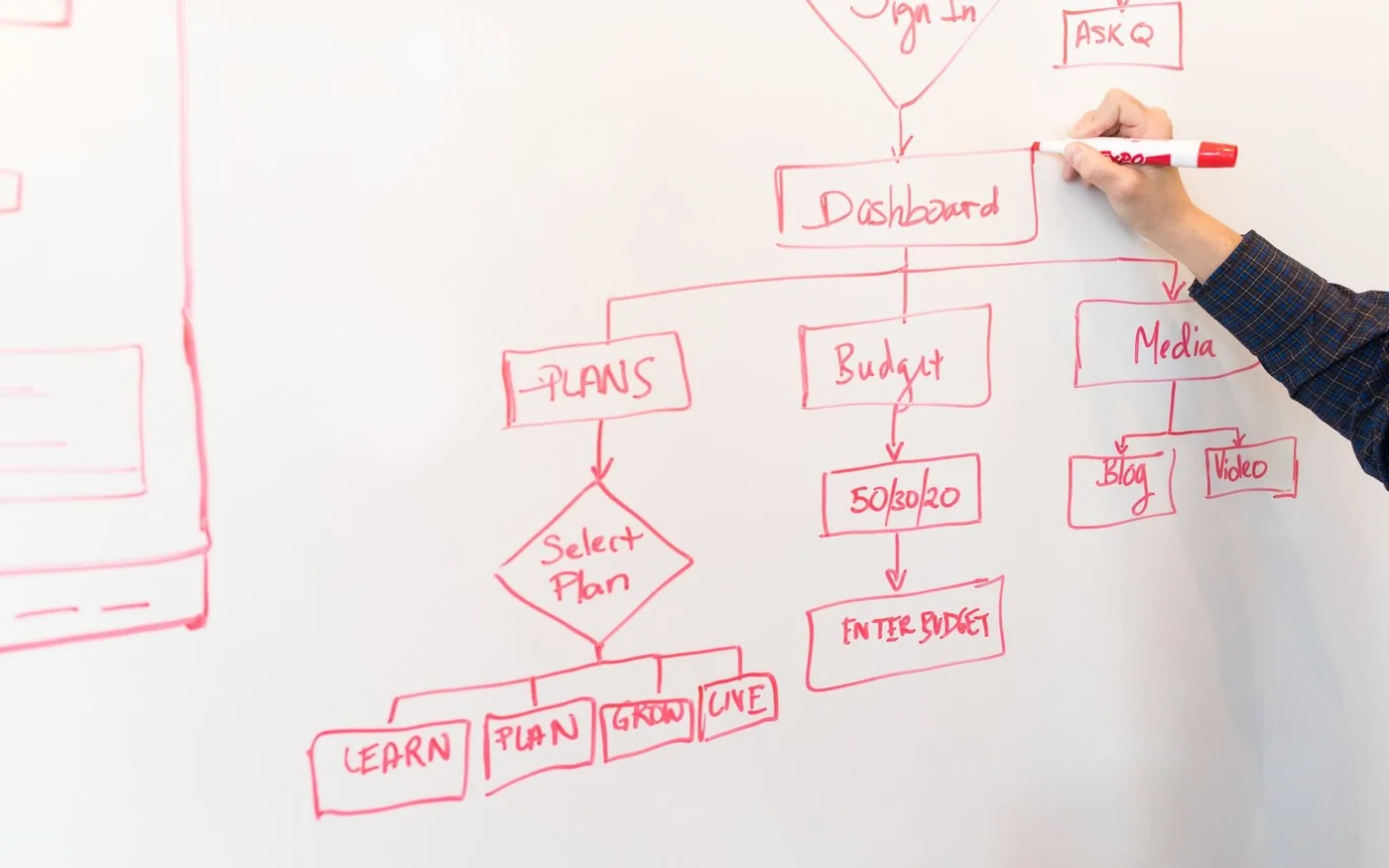
Give the first responder a short route to the right people
Define what staff should report. Examples include an unexpected request to reset access, a lost device containing business records, a supplier warning about an exposed account or a payment made on suspicious instructions. A worker should be able to report the observation without deciding whether it meets a legal definition. Give them a contact they can reach outside the affected service and a backup if nobody answers.
Name the incident lead and an alternate. Set out who can isolate a device, restrict an account, suspend a payment or move a business function to manual work. One person can hold multiple roles in a small company. Their authority should still be clear to the IT provider, the finance team and the employees who receive instructions. Decide who can approve urgent work if the owner is unreachable.
NIST's incident response guidance integrates preparation and response into wider cybersecurity risk management. Use it to connect the response plan with the company’s inventory, recovery exercises and changes to access. A list of roles is useful only if the people involved know how to reach one another and can act on the systems in scope. NIST incident response guidance
| Decision | Primary role to name | Evidence or authority needed |
|---|---|---|
| Open the incident | Duty lead | Initial report, scope and contact route |
| Restrict access | Authorized technical owner | Account or device identifier and business impact |
| Pause a transaction or workflow | Finance or operations owner | Pending work and approved manual route |
| Assess external notification | Privacy, legal or sector lead | Facts, applicable trigger and time of awareness |
| Resume service | Business owner with technical lead | Validated recovery and outstanding restrictions |
Record what you know and what is still uncertain
Open a case with a timestamp and an owner. Record the initial report, affected systems and actions already taken. Separate what someone observed from what the team suspects. For example, a supplier might have observed a login from an unfamiliar location without knowing whether files were downloaded. Record that distinction so an early hypothesis does not become a claim in a customer update.
Collect evidence proportionate to the incident. It may include original messages, authentication events, system alerts, file access logs, transactions and the supplier's case references. Preserve originals where feasible, note who obtained them and limit access to the people handling the case. Keep timestamps with their time zones. A provider's log may record UTC while an employee records Dubai local time. Establish a common timeline before comparing events.
Agree how to work when the main platform is affected. Keep a copy of the contact tree and approved procedures somewhere the response team can reach. Use an alternate channel if the team suspects company email or chat is exposed. Check that the alternate channel is available to the people who need it and decide how evidence and decisions made there will be transferred into the restricted incident record.
A Dubai Consumer Rights reel illustrates following up on a reported issue. Use the example to think about continuity across handoffs. A support provider, bank and authority can each issue a different reference. The company's internal record should connect them and identify who is responsible for the next action.
Use the same intake record for a report from a supplier. Ask when it first detected the issue, which customer environment it believes is affected and what information it can share now. Request a date for the next update and name the employee who will chase it if it does not arrive. A forwarded supplier email should have a clear place in the timeline without replacing the company’s own assessment. Keep copies of relevant contract terms alongside the contact details so the duty lead can find them when the usual contract owner is absent.
Contain the problem while keeping essential work moving
Decide which actions reduce harm and which could interrupt trading or obscure evidence. If an administrator account appears compromised, the technical team may need to restrict it, assess active sessions and check for new access routes. Operations needs to know which integrations or teams depend on it. Agree a safe fallback for any critical work that will stop when access is withdrawn. Preserve evidence while containing the incident as quickly as circumstances allow.
Ask suppliers what they can confirm and when they will next report. A cloud operator may have infrastructure logs, while the application partner has the access history needed to identify which records were opened. Give each party a specific question. Confirm which organization can export logs, freeze changes or restore data. If a contract limits support hours or access to evidence, record that during preparation and test the fallback before an incident.
Use a short decision log. Include the time, the information available, who authorized the action, its expected impact and what will be checked next. For a payment risk, contact the bank through a verified channel and preserve the transaction reference. For a disruption to warehouse dispatch, record the manual process and how staff will reconcile temporary records. These operating decisions may need to proceed before the full technical investigation is finished.
Separate police reporting from privacy and contractual duties
Dubai Electronic Security Center's public incident reporting page directs readers to Dubai Police's eCrime route for cybercrime within its Dubai geographic scope. Identify the appropriate police or official route for the actual location and circumstances. Keep it in the plan and recheck it before use. A police report serves a different purpose from notice to a data protection authority, an affected individual or a commercial partner. Dubai Electronic Security Center incident reporting
The UAE Government portal describes the federal personal data protection law and its scope within the UAE's wider data protection framework. Check the applicable regime for the affected entity and data, including any sector or free-zone rules. Keep a reporting matrix that states the trigger, recipient, deadline or timing language, evidence required and internal decision owner. Have the responsible lead check the actual rules and contract terms for each scenario. UAE Government overview of data protection laws
The DIFC Commissioner provides a personal data breach assessment and reporting route under Articles 41 and 42. ADGM's Office of Data Protection states that controllers under its regulations must notify it without undue delay and, where feasible, within 72 hours of becoming aware of a personal data breach. These examples belong to their respective regimes. Do not use a single clock for every UAE entity or every cyber event. Record when the organization became aware of the relevant facts and what the accountable lead decided. DIFC personal data breach reporting and ADGM personal data breach notifications
Prepare a holding message for employees or customers when appropriate. It should state what the company can confirm, what action the recipient needs to take and when the company expects to update them. Have the person responsible for the communication verify the facts before release. Where the company needs to send an initial report before all details are available, track which facts remain open and who will provide the follow-up under the relevant procedure.
Check non-regulatory notifications separately. An insurer, major customer or partner may require information through a particular channel or within a contractual period. Record the policy or contract reference and have the responsible person verify it. Avoid sending a full evidence archive when a recipient needs only a short initial notice. Keep a copy of what was sent, when it went out and who approved it. If the company decides that a notice is unnecessary, record the reason and the information it used so the decision can be revisited if the facts change.
Restore service against a business check
Confirm that the team understands enough about the failure to choose a safe recovery path. If it restores data from before the incident, establish which changes and transactions need to be reconciled. Verify accounts, permissions and dependencies before reconnecting. Have a member of staff complete the activity the business cares about, such as accepting an order and handing it to the warehouse. A technical service can be reachable while staff still cannot use it.
Set criteria for reopening different functions. The logistics company might resume order intake while keeping a file export restricted pending investigation. Record who checked the test transaction and when. Communicate the scope of the reopening to employees and suppliers. Track any temporary procedure until the team can account for the work it generated. Keep monitoring and ownership in place for any unresolved issue that could reappear after recovery.
Rehearse the plan and close the gaps
Use a tabletop exercise with the actual staff and a realistic starting message. Introduce one complication at a time. The primary lead might be unavailable, the vendor might need several hours to supply logs or the business might discover that a second entity's records are involved. Ask staff to decide what they would do and to show where they would find the information they need. Use test records and agreed participants, and avoid placing real reports or contacting customers during the exercise.
For the hypothetical logistics company, record the time from the initial alert to assignment of a lead, the decision to limit access and validation of the first usable transaction. Record when the privacy lead received the information needed to assess notice. Review those timings against the business's own targets and relevant requirements. The exercise should expose which steps depend on a person, credential or supplier that may be unavailable.
After the exercise, assign each issue an owner, a correction and a retest date. An outdated vendor number can be fixed quickly. A missing access log may require a change to the service agreement or a new configuration. Retain a dated copy of the revised contact tree and verify it with the duty team. Revisit the plan after meaningful changes to staff, vendors, data or operating systems. The next responder should be able to find a clear decision route, protect evidence and verify that critical work can resume.


Comments (0)
No comments yet. Be the first!