

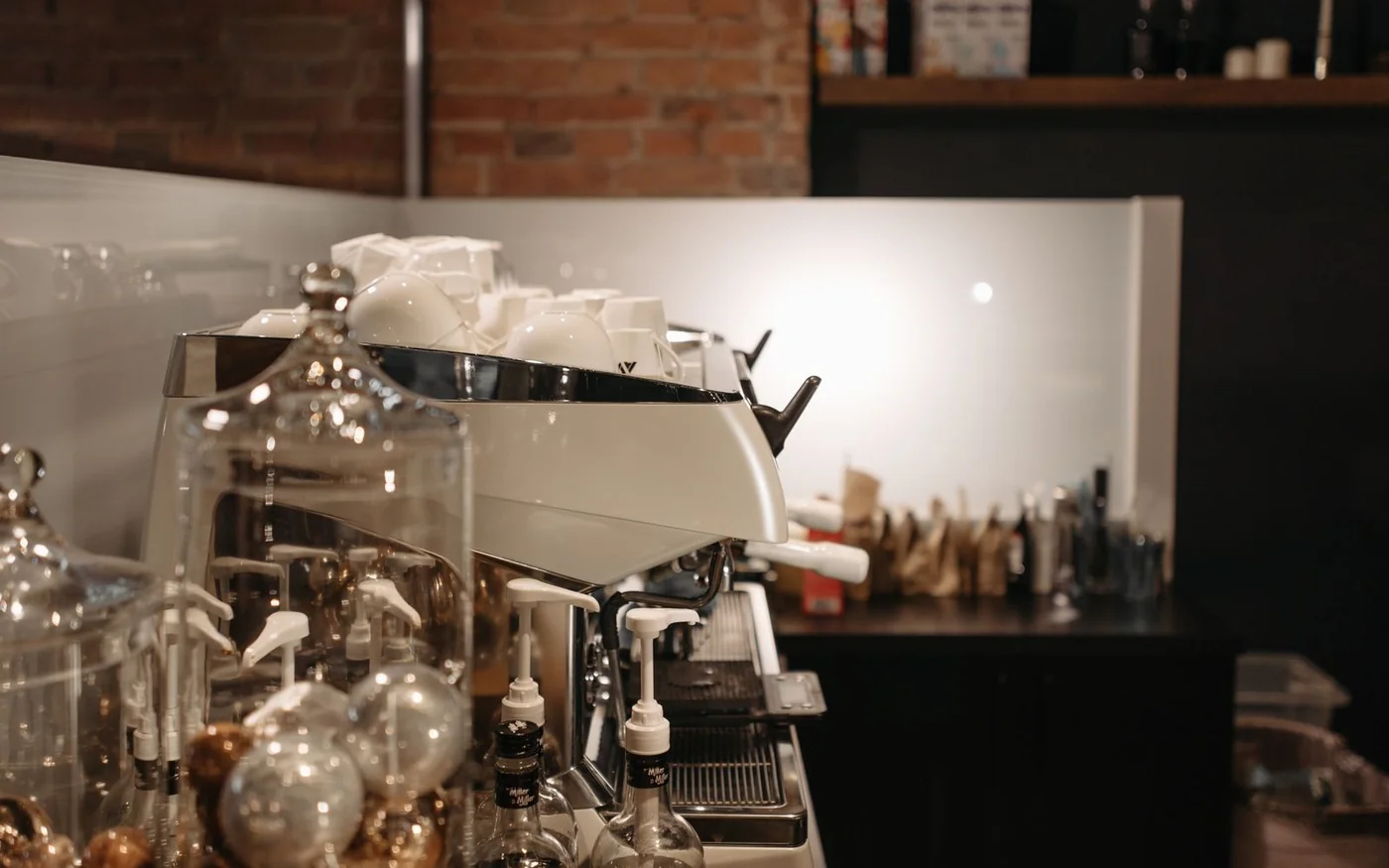
In October 2021, Dot Café in Ajman introduced treats and a challenge inspired by Squid Game. The promotion gave visitors a reason to make a special trip and gave people an easy way to tell friends what was happening. A customer coming in the following month would face a different choice. Was there a drink or occasion worth coming back for once the game was over? The distinction matters for any Ajman entrepreneur trying to turn the attention a campaign earns into a business that works on an ordinary day. Contemporaneous coverage of Dot Café’s 2021 promotion
Dot Café identifies Emirati entrepreneur Mahra Salim Altamimi as its owner and dates its start in Ajman to 2018. Its site lists Al Jerf 2 as its location and describes an offer that includes specialty coffee, matcha and all-day breakfast, with delivery links as well. The café credits customer loyalty in its account of its growth. It does not publish a repeat-visit rate on the profile. What readers can see is a business offering several ways to make the café part of a routine, alongside promotions designed to draw attention. Dot Café’s company profile and menu overview
Give the second visit a reason of its own
A promotion can give the first visit a date. Customers may come while the challenge is available, invite friends to join them or order a themed item because they saw it online. By the second visit, the original reason may have passed. Someone looking for breakfast, coffee on the way to work or a place to meet a friend is making a choice under different conditions. The café needs to know which of those occasions it can serve well enough that the customer starts to think of it when the occasion comes up again.
Dot’s public menu description suggests several such occasions. A quick drink can serve a short stop. Coffee with breakfast can make sense for a longer visit. Delivery makes the product available when the customer cannot or does not want to come in. These choices draw on different parts of the business. A regular picking up a drink may value speed and consistency. Someone eating in may care more about whether there is room for their group and how long it takes to serve food. The menu can support both, provided the team understands how their needs compete during a busy period. Dot Café’s published offer and ordering channels
To find out which occasion is repeatable, ask someone about their last two visits. What were they doing before they arrived? What would they have done if the café had been closed? Those questions can reveal whether the visit depended on a special promotion, a convenient route or a product they would make a trip for. When customers say they like everything, ask what they actually ordered and what they would choose again. Behaviour gives the team a more specific place to start than praise alone.
Measure who returns after the promotion
A week of strong sales can come from many new customers, regulars visiting more often or people ordering more at each visit. Those changes can look similar on a till report. Start with one question. Of the first-time customers the business can identify during a campaign, how many return within a period that makes sense for the offer? Apply the same definition to a comparable group from an ordinary period. Use order or loyalty records only where the business can appropriately connect visits, and record how much of the total it could match.
Suppose a café can identify 100 first-time buyers during a promotion, and 24 of them return within 30 days. In a comparable period without the promotion, 18 of 60 identifiable new buyers return within 30 days. The campaign brought back more identifiable people in absolute terms. Its return rate was 24 per cent compared with 30 per cent for the other group. Those are illustrative figures. The owner would still need to examine how the groups were identified, whether their visit opportunities differed and what it cost to attract and serve them.
If the café can see what people bought on their second visit, look for a bridge between the promotion and the regular menu. Some people may return for the same category without a reward. Others may switch to coffee and breakfast. If the offer disappears and few return, look at which group the campaign attracted and what else the café gave them to try. The result may make sense for a campaign aimed at a single occasion. It gives less support to a plan that assumes those visitors will buy every week.
Check whether the regular offer works when the café is busy
A returning customer has something to compare the second visit with. If the café gives them a reliable drink during a quiet afternoon, they may expect the same when they arrive before work. That requires the team to know what must remain consistent and what can change with the rush. A short queue may be acceptable if it moves predictably. A regular who cannot tell when an order will be ready may change where they stop. Ask the staff which orders are hardest to serve at the busiest time and what other work has to stop while those orders are made.
A hypothetical Ajman café might test a new drink for a month and find that people reorder it, but that it occupies the same station the team uses for a core coffee order. Observe several shifts and record how often the new item slows other orders, which preparation steps can be done earlier and how much material goes unused. If customers value the new drink and the bottleneck is real, the business can test a change to preparation before it changes the menu. If a different station or extra staff time is needed, include that in the decision to keep it.
Apply the same discipline to delivery. A drink sold through a delivery platform has to reach the customer in a condition they would be willing to order again. Check how it travels and whether it still represents what the café wants to offer. Compare the effort of preparing and packing it with what the café receives after the associated costs. A product can work well at the counter while needing a different package, a tighter delivery area or a different place on the delivery menu.
Seasonal returns and ordinary returns tell you different things
A café can give people a reason to return on a much longer cycle. In October 2022, One Degree Café used an Instagram reel to show its previous winter pop-up and announce that it was about to reopen. Local coverage placed the 2022 pop-up in Musherief, Ajman. A customer reminded of an earlier visit might make another trip when the season returns. That is a distinct occasion from the regular who stops by a café several times a month. What’s On’s coverage of the Ajman winter pop-up
One Degree Café’s October 2022 Instagram reel shows its earlier outdoor pop-up and tells followers it will reopen soon.
For an owner, the distinction affects when to check whether people came back and what work to put into serving them. A seasonal concept may need to reach previous visitors before they decide what to do during a limited period. An everyday café may get many opportunities to turn a visitor into a regular, but each missed occasion can make it easier for that person to form a habit elsewhere. If the business runs both kinds of offer, keep the results separate. A successful reopening can justify doing the next season. It says little by itself about demand for a permanent site.
Choose the next investment from the visits you can explain
Ask what returning customers would miss if it changed. A fast pickup may matter more than another dessert. A place to meet may depend on enough space at a particular hour. A signature drink may attract a repeat order only if it is available reliably. Gather answers from customers at different times and compare them with records of orders, delays and items that run out. The evidence may point to a smaller change than a campaign or a new location.
Before expanding, identify what the current site gets from its neighbourhood. A stop that sits naturally between home and work for some customers may not have the same role elsewhere. A product people seek out from across Ajman might transfer, but the team still needs to test whether another location can produce it consistently. Describe the routine you would expect a new site to serve, then see whether the people living or working nearby have that routine. Keep opening-week results separate from what happens once visitors have had time to decide whether to come back.
Make room for customers who tried the business once and stopped. Where the café has a suitable way to ask, give them a simple prompt about what happened. Someone who moved away offers a different kind of information from someone who found that the promised drink was unavailable twice. Bring those reasons into the same review as the comments from regulars. A problem that looks minor from inside the café may have been enough to change a customer’s route. Test the smallest fix the team can deliver consistently, then look at whether behaviour changes.
Give the team a regular way to review the observations. At the end of a shift, staff could note which popular item ran out, where a queue formed and what customers asked for more than once. At the end of the week, compare those notes with orders for the same times. The two records help put complaints in context. A café may hear that pickup is slow while the delays actually cluster around one menu item or one period of the day. That points to a change the team can try during the next comparable shift.
If a loyalty offer is part of the experiment, check what people do when the reward is absent. Some will return because the offer makes the purchase cheaper. Others may come back on a different day at the regular price. Review what each visit contributes after the reward and other incremental costs, then decide whether the offer is introducing people to a routine the café can serve.
Dot Café’s Ajman story offers a way to separate the first trip from the next one. The themed promotion supplied an immediate occasion. The regular offer has to work under a broader range of everyday circumstances. Before spending to bring more people through the door, choose the occasion you want them to return for. Check whether enough of the people you can observe come back for it and whether the team can serve them when they do.

Comments (0)
No comments yet. Be the first!