

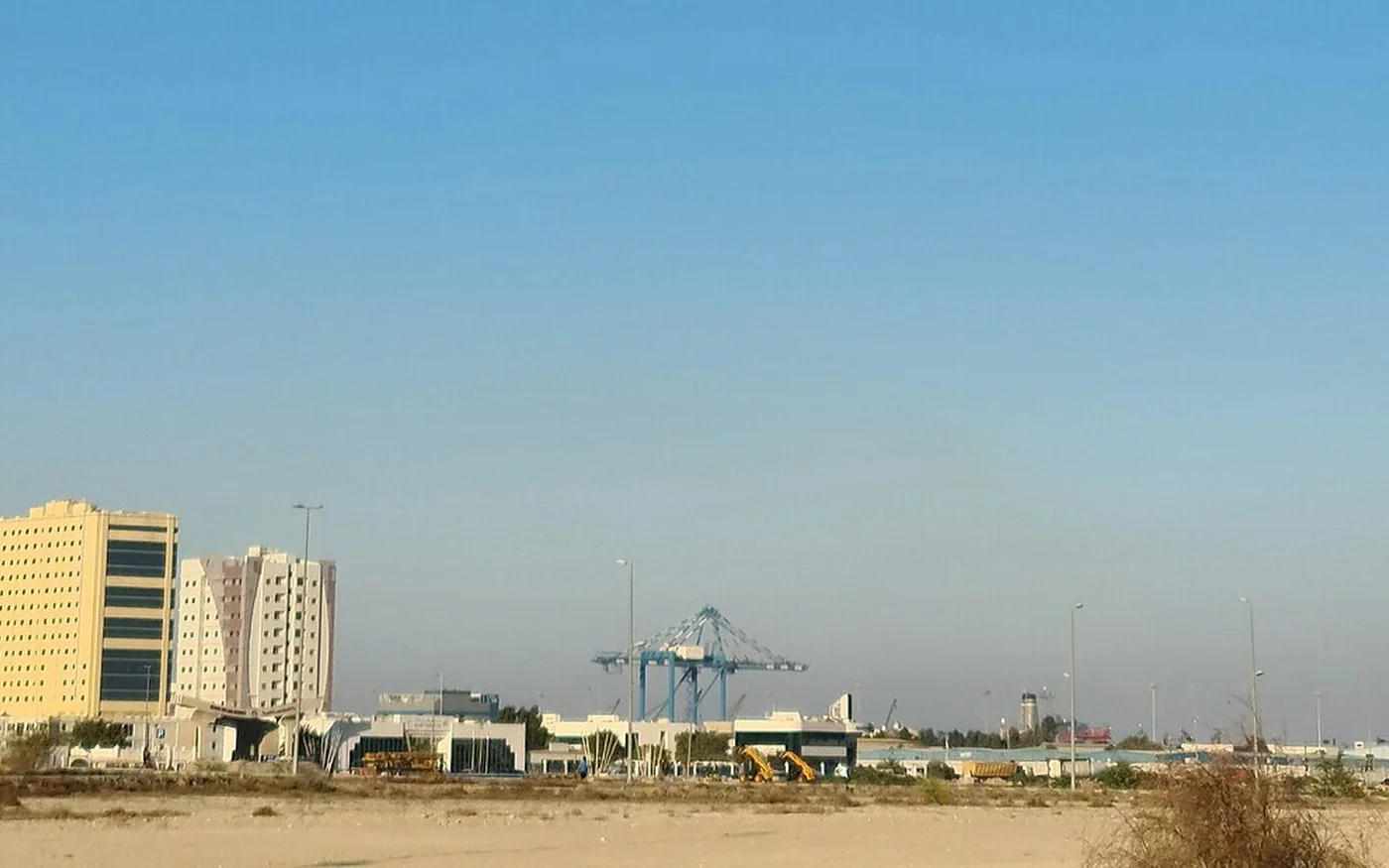
Fujairah is worth assessing when the business needs to receive cargo, serve vessels or support an industrial customer close to the port. Start with the transaction that benefits from being there. Identify the buyer, the work, the delivery point and the time available to perform it before choosing an office, warehouse or company package.
Port activity creates a setting in which businesses can operate; it does not establish that a new supplier can win orders or obtain access. The decision needs evidence at several levels: a customer need, the right business and service permissions, workable access to the site or vessel, and a cost structure that supports the promised service.
Compare the proposed Fujairah operation with the practical alternatives. These might include using an established local provider, holding selected stock nearby or locating a team around a particular customer contract. Commit to the scale that the operating requirement supports rather than treating the port’s profile as a demand forecast.
Checked 5 November 2026. Confirm current activity, premises, port-access and service requirements with the relevant authorities and operators before committing to a facility or promising delivery.
Identify which part of the port economy the business will serve
Separate cargo handling, vessel services and support for land-based industrial businesses. They involve different buyers, work locations and operating dependencies. A company selling parts to a factory needs a different plan from one arranging delivery of stores to a vessel or coordinating the release of imported cargo.
The Port of Fujairah’s business-activities information identifies oil, dry bulk, marine services and cargo-related operations, alongside links to the surrounding industrial and trading activity. Use those categories to define an enquiry. Do not assume that a business category on the port website is an open opportunity for any new supplier to perform every service within it.
For vessel-related work, identify who actually buys and approves the service. The vessel owner, manager, agent and other parties can occupy different roles in a proposed transaction. Ask the customer to explain the purchasing and authorisation process for the work you intend to supply. Record the party that will issue the order, accept completion and pay the invoice.
For cargo-related work, follow the goods. Establish the cargo type, how it arrives, who controls it, which handling or storage service is needed and where it goes next within the UAE. A business case should explain why Fujairah is useful for that route instead of relying on a general description of connectivity.
| Proposed operation | Customer question to resolve | Operating question to resolve |
|---|---|---|
| Vessel supplies | Who approves the products, order and delivery? | How will goods and personnel reach the approved delivery point? |
| Technical services | What scope and qualifications does the buyer require? | Which permissions, equipment and access arrangements cover the work? |
| Cargo coordination | Which party controls release and instructs the movement? | Who performs clearance, handling, storage and onward transport? |
| Industrial supply | Which local customer requirement supports holding stock? | What inventory and delivery capability is needed nearby? |
| Storage or distribution | What volumes and services will the customer commit to? | Which goods, premises and transaction permissions apply? |
Assess terminal services against a specific cargo movement
AD Ports’ Fujairah Terminals page identifies container, general cargo and roll-on/roll-off services among the terminal’s activities. Those categories provide a basis for discussing a particular shipment with the operator. Confirm acceptance, handling requirements and the service arrangement for the cargo itself.
Give the operator dimensions, weight, packaging and any special handling information. Ask which documents and approvals are needed and which party must arrange them. For cargo that requires lifting, specialised transport or protected storage, obtain an assessment from the appropriate providers before making a delivery commitment.
Request a quotation that separates the services involved. Terminal handling, storage, clearance, inspection, loading and onward transport may involve different scopes and parties. Establish what each quotation includes and where responsibility passes from one provider to another. Avoid comparing a terminal charge with a proposal that also includes several land-side services.
Check the schedule with the parties controlling the movement. A published capacity figure or turnaround indicator cannot establish the completion time of an individual job. Discuss the planned arrival, release conditions, equipment availability and collection arrangements, then identify which dependencies remain outside your control.
Keep contingency arrangements practical. Ask how a delayed release, unavailable vehicle or change in the customer’s receiving slot would be handled and charged. The purpose is to understand the exposure of the proposed cargo movement before promising a fixed service or absorbing costs that the quotation does not cover.
Treat anchorage services as a controlled operating environment
The port’s Fujairah Anchorage Area information describes areas used for different vessel and service categories, including bunkers, lubricants and other marine services. That organisation matters to a prospective supplier: the intended service, vessel and location need to be assessed through the relevant port and customer procedures.
Ask how an order would be authorised and delivered in the actual case. Identify the approved parties involved in transporting goods or personnel, the documentation needed and the point at which the customer accepts the work. A nearby warehouse can shorten a land-side movement while leaving the marine delivery dependent on another provider and the necessary permissions.
For technical work, prepare the proposed scope for review by the customer, relevant authorities and qualified specialists. Confirm the competence, insurance, equipment and operating approvals required. Keep the commercial enquiry separate from instructions for carrying out the work; specialist maritime operations need the applicable professional and authority assessment.
Test the service promise against a change in timing. Ask what happens if the delivery window moves, personnel cannot gain access at the planned time or goods are not accepted. Decide which costs can be recovered under the customer terms and which the business must carry. An urgent-service model needs a clear plan for waiting, cancellation and repeat attendance.
Do not use historic vessel calls as the number of customers available to a new entrant. Work out the relevant customer group, its purchasing process and its existing arrangements. Establish whether your proposed service solves a particular problem and whether buyers are willing to qualify and appoint another provider.
Keep company licensing and port permission distinct
The port’s starting-a-business page links both a Fujairah Municipality application and a Port Licence application, with separate routes shown for other port-related areas. Ask which authorities and applications cover the proposed operation and exact premises. Establish this before assuming a company licence is the complete permission to work in the port.
The published Port Operators Licence form describes a licence for services within port boundaries and says it is additional to other government licensing requirements. It also refers to passes for nominated personnel. Use the form to identify the issues for current confirmation, including business scope, staff, vehicles and access, rather than treating its older contact details as a complete modern application guide.
If considering Fujairah Free Zone, the government setup guidance states that documents vary with the activity, company type and authority requirements. Obtain the applicable current list and facility conditions directly for the proposed business. Discuss how goods or services will be supplied to the intended UAE customers and which further permissions are necessary.
Fujairah Free Zone’s current business-setup page lists marine and logistics among its fields and describes offices, warehouses and land. Use that range to discuss the proposed facility and activity together, with confirmation of the permissions for the work and customer location.
Write the full activity description for every adviser or authority involved. Include storage, packing, transport coordination, technical attendance, customer visits and any other work the business plans to perform. Identify subcontracted functions clearly. This helps prevent a narrow licence application being mistaken for approval of a broader operating model.
Retain the confirmations and approval conditions with the business plan. Where a consultant coordinates the work, ask for the actual submissions and authority responses. The people running the operation need to know which entity, location and services the approvals cover and what changes require a new assessment.
Qualify the buyer before building the local operation
Start commercial validation with the purchasing process. Ask prospective customers what they require from a new supplier: product approval, technical capability, references, insurance, quality records, credit terms or a trial. Determine which requirements you can meet now and which require investment or a partner.
Use authority briefings to understand the business services available, then take individual supplier requirements to the buyer. Fujairah Free Zone’s October business-visit post records a local business briefing and factory visit. Such introductions can help frame an enquiry; supplier qualification and the terms of an order still need to be established with the customer.
Distinguish interest from an instruction to supply. A meeting, quotation request or statement that local stock would be useful can help define the proposition, but it is not the same as a purchase order or recurring agreement. Record the status of each customer discussion so the facility decision reflects the evidence available.
A hypothetical spare-parts supplier might discover that a customer needs a small range of approved items at short notice rather than the supplier’s full catalogue nearby. That finding would support a different inventory and premises plan. It may make a focused stockholding arrangement worth testing before a larger warehouse commitment.
Another hypothetical business may offer technical coordination while an appropriately authorised specialist performs the physical work. Its value proposition and contract should explain that division of responsibility. Establish who is accountable for attendance, scope, acceptance and any rework. Do not sell a service as an in-house capability when delivery depends on an unconfirmed third party.
Ask who can approve the supplier and how long the process is expected to take in the particular case. Build the qualification tasks into the opening plan. A local licence and premises can be ready while customer approval is still outstanding, leaving the business with costs before it can receive the intended orders.
Choose premises around the service being delivered
Determine whether the business needs stock, a workshop, an office, a dispatch area or a combination. Match the premises to the goods and work, then have the relevant authority and technical specialists assess suitability. A convenient address does not establish permission to store every product or undertake technical work there.
For stockholding, prepare a list of products, quantities, packaging and required conditions. Plan receiving, inspection, saleable stock, returns and dispatch. Confirm the safety and storage arrangements for the actual goods, including any regulated or specialised categories, before ordering inventory or installing equipment.
For a service team, assess the equipment, consumables and preparation space needed between jobs. Establish the approved arrangements for testing, maintenance and storage. Include the movement of staff and equipment to the customer’s site, not only the time spent carrying out the work once access is available.
Compare a dedicated facility with a contracted arrangement using the same scope. Ask a prospective provider about permissions, capacity, access, operating hours, record keeping and responsibility for the goods. Obtain the relevant terms and evidence. A lower initial premises commitment is useful only if the service can still meet the buyer’s requirements.
Build a delivery plan that includes access and waiting
Map the complete job from order receipt to acceptance. Identify the person who confirms the request, checks stock or staff availability, obtains the necessary authorisations, arranges transport and closes the delivery record. Assign an owner to each handover between providers.
Test a normal job and a disrupted job. In a hypothetical supplies business, the goods may be ready while the customer changes its receiving time. Model the effect on staff, vehicles, storage and any contracted marine delivery. Agree how the customer will authorise additional costs before those costs arise where possible.
Keep transport and access assumptions specific. Obtain quotations for the proposed routes, load and schedule, and check the relevant conditions with the responsible providers and authorities. Avoid translating a short distance from the premises to the port into a guaranteed response time.
Prepare a communication process for changed orders. Establish who can approve substitutions, revised quantities, repeat attendance or a different delivery window. Retain the instruction and completion evidence needed to reconcile the job and invoice it accurately. A clear record becomes especially useful when several parties coordinate one service.
Fund the service cycle through to collection
Calculate the cash needed to perform an order before payment is collected. Include purchases, staff, transport, subcontractors, access-related costs and any waiting or repeat work the business must fund. Add the fixed costs of maintaining the local operation between orders.
For illustration, suppose a business plans AED 30,000 of monthly fixed operating costs and expects each completed job to contribute AED 3,000 after the direct job costs included in its model. Ten such jobs would cover those fixed costs on those assumptions. This is a hypothetical contribution calculation, not a Fujairah price benchmark, demand forecast or full profitability test. Taxes, financing, capital spending and any omitted costs still need their own treatment.
| Commercial question | Evidence to obtain | Effect on the location decision |
|---|---|---|
| Which orders require local presence? | Customer scope, qualification and buying process | Establishes the work that may justify a Fujairah base |
| What must be stocked or staffed? | Approved products and agreed service expectations | Determines the minimum practical operating commitment |
| Who funds each stage? | Supplier, subcontractor and customer payment terms | Reveals the cash needed before collection |
| Who bears disruption costs? | Waiting, cancellation and repeat-work terms | Shows exposure beyond the normal job quotation |
| What happens if volumes are lower? | A lower-order scenario using actual commitments | Tests whether the business can sustain the chosen scale |
Keep the timing of cash separate from the contribution calculation. A job can contribute towards overheads while still requiring the business to fund purchases and subcontractors for a considerable period. Use the actual proposed payment terms to build that forecast, including any customer acceptance step before invoicing.
Review contracts and insurance with appropriately qualified advisers. Clarify scope, subcontracting, loss, liability limits, acceptance, cancellations and dispute handling. Match the terms promised to the customer with those available from the providers on whom delivery depends.
Decide whether a permanent base is justified
Bring the customer, permissions, premises, delivery and cash evidence together before choosing the scale of commitment. Identify what has been confirmed, what remains a condition and which costs would become committed before the unresolved matters are settled.
Proceed with a permanent operation when a clear customer requirement supports the local capability, the relevant permissions and access are achievable, and the business can fund delivery and collection on workable terms. Where those conditions are still being tested, assess a smaller authorised arrangement or a qualified local provider before expanding the commitment.
Fujairah’s value to a port-related business comes from the work it enables the business to deliver. Define that work precisely, qualify the buyer, secure the required operating arrangements and price the complete service cycle. Those decisions provide a firmer basis for a location choice than port activity alone.

Comments (0)
No comments yet. Be the first!