

Khadija Al Abbasi described the hardest adjustment to shift work in terms that had little to do with the machinery. It took time for her body clock to adapt. A weekend could be a workday, and a weekday off might coincide with a day when her family and friends were working. The Emirati engineer was taking on a regular roster of 12-hour shifts, including nights and weekends, at Emirates Global Aluminium’s Al Taweelah alumina refinery. EGA identified her in December 2022 as its first Emirati woman to work permanently on a shift pattern and described her as a shift supervisor. Al Abbasi’s interview with EGA
Her account offers two ways to evaluate a first leadership role on a UAE plant floor. An engineer can ask what she needs to learn before a crew can depend on her decisions. An employer can ask whether the route into supervision gives her that experience, then gives her the time and support to work the roster. Both questions matter when much of the learning happens during the shifts an engineer is being asked to lead.
The refinery and the work of a shift supervisor
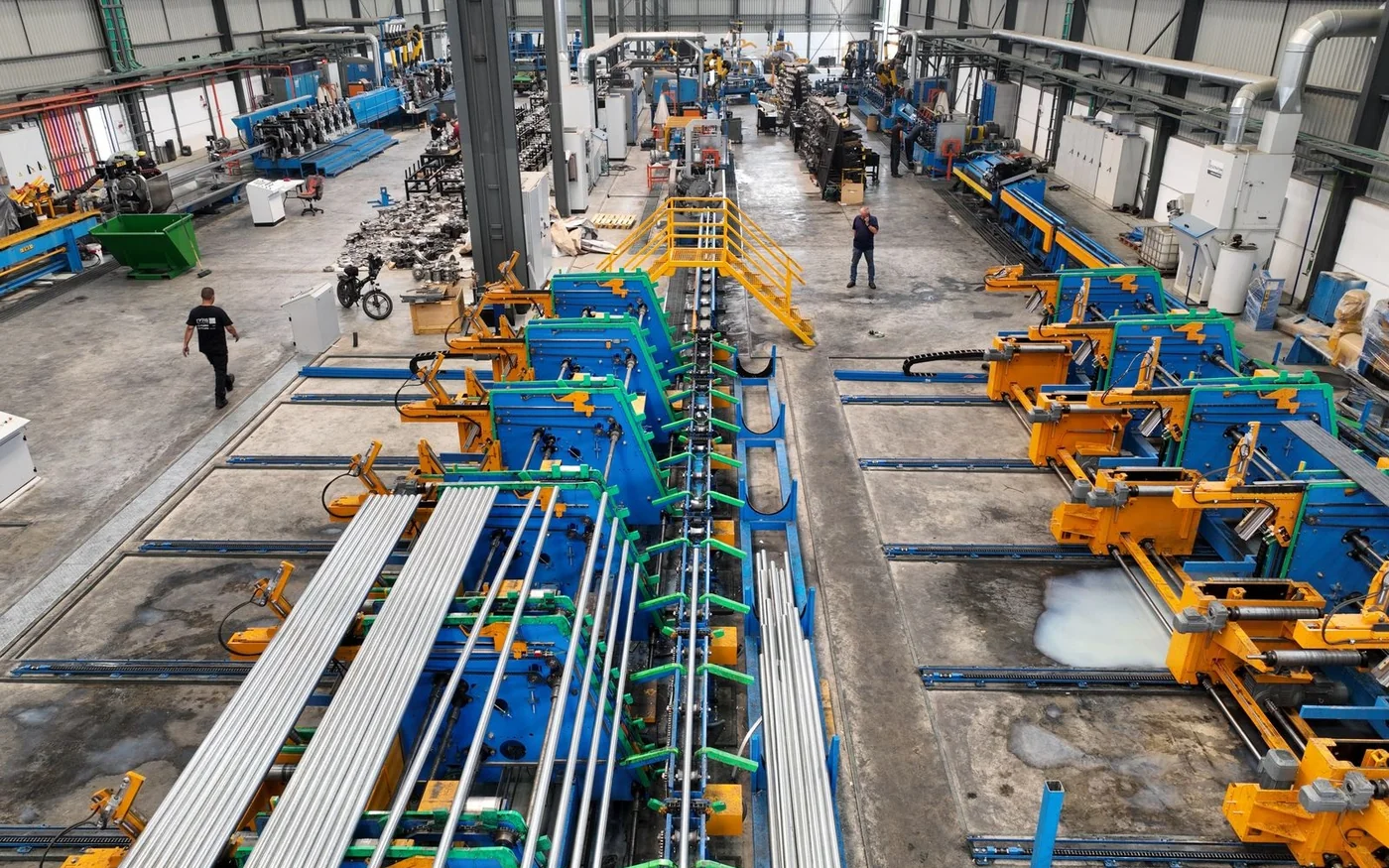
EGA started production at the Abu Dhabi refinery in 2019. It converts bauxite into alumina, which is used by aluminium smelters. The refinery and EGA’s Al Taweelah smelter are next to each other, and a conveyor system moves alumina into storage and onward to the smelter. EGA reported that the refinery produced 2.4 million tonnes of alumina in 2025, equivalent to 46 per cent of its alumina requirements that year. The figure describes the site’s contribution to EGA’s supply. It gives a sense of how far the consequences of an operating decision can extend beyond one crew’s area. EGA’s Al Taweelah refinery overview
In her interview, Al Abbasi put knowledge of the operator’s job at the centre of supervision. An engineer can understand the process from a diagram and still need to learn what an operator sees on a round, what the control room sees at the same time and how each reports a change. An experienced operator may notice a departure from normal conditions before anyone asks for an explanation. A supervisor who understands the operator’s work is better placed to ask a useful follow-up question and bring in the right people under the site’s procedures. Al Abbasi on learning operations from the ground up
Learning an operator’s job also means learning which decisions belong to whom. A new supervisor can ask a technician to walk through how a concern travels from the work area to the control room, which information is needed at each step, and who takes responsibility once the concern is escalated. Follow the explanation from the operator’s perspective and from the recipient’s. A process can look clear on an organisational chart while leaving the person on the floor unsure who is available at night.
Learning the shift before leading it
On a daytime visit, a trainee can see a scheduled task through from start to finish with support staff nearby. During a rostered shift, she can see how priorities change when jobs run late, the next crew is due and a specialist is already working elsewhere. The difference matters for a supervisor deciding where to put an experienced operator or how to prepare the next crew for work that carries over. The same nominal task can require different coordination depending on when it starts and who is present.
A manager planning a first rotation can ask a candidate to follow one work area across several shifts, within the role and access the site authorises. Let her observe how experienced people describe routine conditions and how they flag uncertainty. Then ask her to explain the order in which the crew communicates with other teams when a task changes. Give her a chance to lead a briefing with an experienced supervisor present, and use the debrief to identify what she can handle next. A training record that says she attended a shift gives little detail about these decisions. A review that captures the decisions she made and the support she used gives the next trainer something to build on.
For the candidate, an early question is who will be available to coach her across the actual roster. A mentor working standard office hours can still discuss recorded cases and help plan development. An experienced supervisor on the same rotation can observe how she works with the crew in real time. The two arrangements serve different purposes. Ask how the site gives both people time to provide feedback and how it decides when the candidate can lead a shift within the role’s assigned authority.
What a handover has to carry
The start of one shift is the end of another. At that point, the incoming crew needs to understand which work is routine, which work remains open and which decisions are due before the next handover. A useful way to see the leadership demands is through a hypothetical example. An inspection began late in the previous shift. The outgoing crew knows why it was delayed and has already contacted another team. The incoming crew can see the work is open, but it may have no idea whether anyone is on the way or who is meant to follow up. A note recording the delay helps. The conversation makes it possible to ask who has confirmed the next step.
In the example, the incoming supervisor could ask the outgoing supervisor to separate the facts both can check from any explanation that is still uncertain. They can name the person responsible for following up and record what the incoming team should expect to hear. The crew can then refer to the plant’s own approved procedures and records to establish work status and authority. The scenario concerns continuity of information. Actual plant work depends on site procedures, assigned authority and the conditions in front of the crew.
Ask incoming supervisors what they had to reconstruct in the first hour after recent handovers. If the same detail keeps going missing, find out whether outgoing staff have the information and a place to record it. A blank entry could reflect uncertainty that should be discussed, or a screen that makes it difficult to find the right record. Walk through the sequence with the people who use it. A manager reviewing the handover from a desk hours later sees the finished log but may miss the extra calls the incoming crew needed to make sense of it.
Why roster support matters after the first appointment
Al Abbasi said family support helped her through the move into shifts. She also recalled initially wondering what it would be like to be the only woman on shift. That experience had at least two practical dimensions. For anyone making the same move, access to guidance and facilities matters during the hours they actually work. At home, time with friends and family had to fit days off that could fall midweek. An employer can shape the first set of conditions and give the employee enough predictability to plan around the second. Al Abbasi on adapting to the roster
A recruiter can explain the actual rotation early, including how far ahead it is issued and who handles a change. A manager can check whether an engineer on nights has the same access to essential facilities, reporting channels and training as someone working days. During induction, ask the new supervisor to find the people and places she would need at the times she will work. A directory may be accurate while the named contact is unavailable on her rotation. Establish the backup while the roster is being planned.
The candidate can ask to see an example of a roster cycle and walk through a typical transition between day and night duties with someone who works it. Ask where training, assessment and meetings sit in relation to the roster. If a course is arranged during ordinary working hours, ask how staff coming off nights are expected to attend. These details help the candidate weigh the job before accepting and give the employer an early chance to address a scheduling problem.
What the company numbers can tell managers
In June 2026, EGA said women held 25 per cent of its supervisory positions, meeting a target it set for the end of 2025. The company also said women accounted for 12 per cent of its workforce at the time of the announcement and gave a separate year-end 2026 target of 15 per cent across all roles. Each percentage has a different denominator or date. The company figures establish broader progress in representation while leaving open how women were distributed across permanent shift assignments and individual operating departments. EGA’s June 2026 workforce update
EGA’s Made by Many reel highlights Emirati women in industry and the people who support their careers.
A site manager who wants to see whether a route into supervision is working can follow a smaller set of steps. Look at who enters technical training, who gets floor exposure across the roster and who is assigned supervised leadership duties. Then check who stays in those roles after taking on the regular shift cycle. If experienced trainees keep progressing into daytime roles while night operations struggle to develop supervisors, ask them what they encountered when seeking night exposure. Possible issues include how assignments are offered, how the assessment is timed and whether someone is available to coach them. The next step depends on where people actually lose access.
Questions to ask before taking responsibility for a crew
For an engineer considering the move, start with three conversations. Ask an operator what the supervisor needs to understand before giving direction. Ask a supervisor which decisions were hardest to practise during training. Ask the manager how someone earns authority to take those decisions and how a concern is escalated after hours. Compare the answers against the role as it is described to you. If everyone agrees on the title but describes the authority differently, clarify it before the first solo assignment.
An employer can do a parallel check. Ask an experienced operator whether the candidate has had enough time with the crew to understand how work is coordinated. Ask the trainer which situations she has observed, practised under supervision and been assessed on. Ask the roster planner how the next rotation gives her continued access to the experience she needs. Then give her a way to report where the plan differs from the work she actually encounters.
Al Abbasi’s account makes the step into industrial leadership tangible. The permanent rotation changed when she worked and whose experience she needed to draw on. Her emphasis on learning the operator’s job gives a candidate a place to begin and a manager something concrete to provide. Before handing over a crew, give the new supervisor time to learn the work across the shifts she will lead, practise decisions with the people who do it, and know who will answer when she needs help.



Comments (0)
No comments yet. Be the first!