

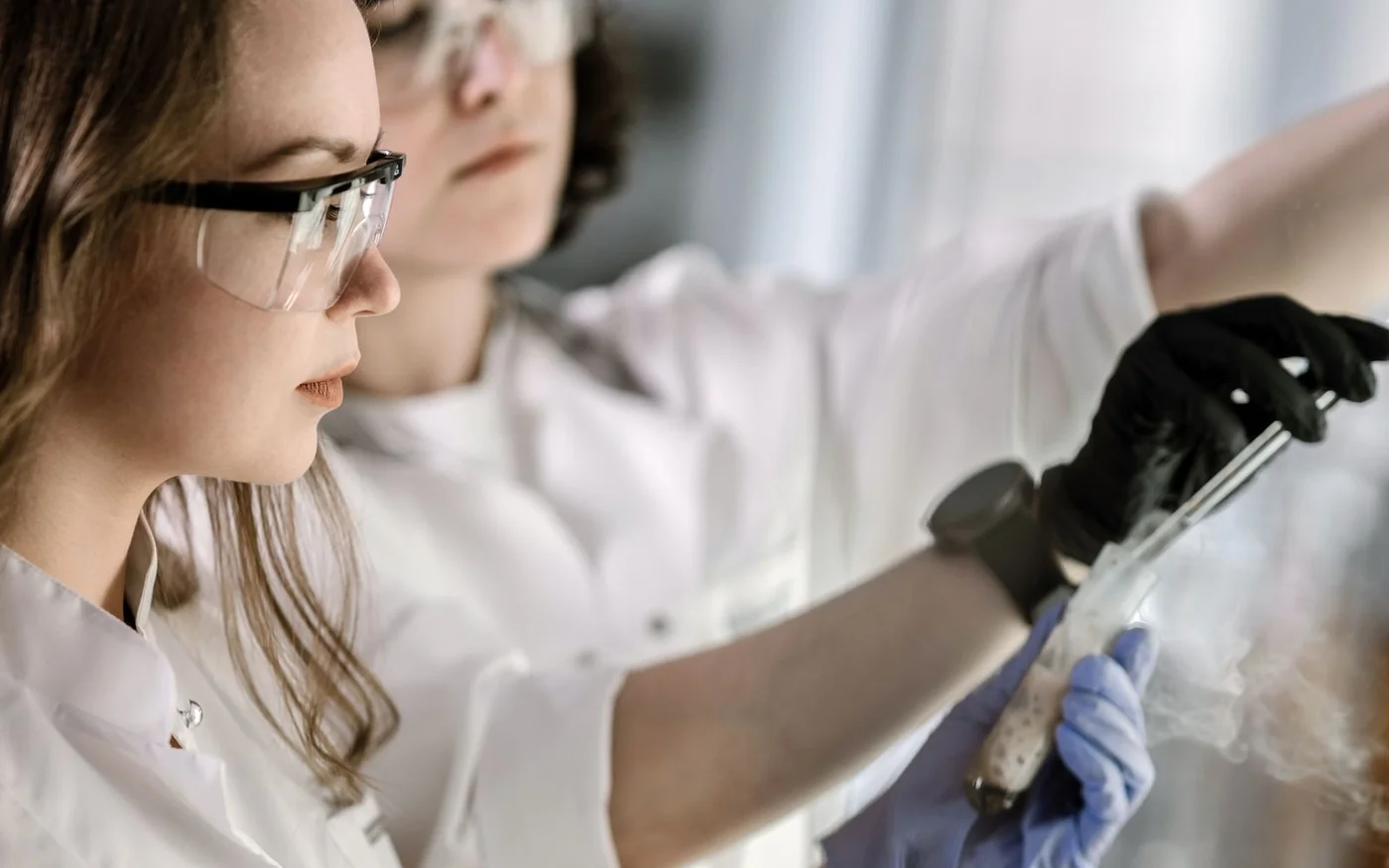
In March 2020, Khalifa University announced that it had licensed patented biomedical engineering technology to Advanced Research Projects, a startup established by graduate Saeed Alteneiji. The university attributed the underlying research to Ahsan Khandoker and said the venture had been incubated at Khalifa Innovation Center. The startup called the device Twinkle Heart. Alteneiji described a plan to develop the prototype into a commercial product and credited the university’s technology management and legal offices with supporting the deal. His account marks the point at which the startup could take on development under a licence. The announcement gives no terms or subsequent market outcome. Khalifa University’s Twinkle Heart announcement
Sami Bashir, then Khalifa University’s director of technology management and innovation, described the purpose of a 2021 Innovation Open House as helping inventors and entrepreneurs see a path from a research discovery to a market product. Twinkle Heart is a concrete case for examining that path. The university had research to protect, a local venture wanted to develop it, and the agreement gave the venture a route to proceed. A team considering a similar transaction should first work out which assets it needs, what it can test before committing, and what both sides expect to happen once development starts. Khalifa University’s Innovation Open House account
Give the technology-transfer office something it can assess
Khalifa University’s Office of Technology Management and Innovation describes its remit as protecting, managing and commercialising research discoveries. It identifies licensing to industry and formation of startups as possible routes. The university’s disclosure page encourages early contact using its invention disclosure form. For a research team, that is a chance to bring the evidence and collaboration history into one discussion before it commits to a particular route. Office of Technology Management and Innovation · Khalifa University invention disclosure guidance
An invention disclosure is most useful when someone outside the lab can understand what the team built and what it observed. State the problem, identify the contribution and show the conditions under which the prototype worked. List the people and institutions involved and the sources of funding, equipment and software. Flag any papers, demonstrations or other planned disclosures so the office can advise on timing. This information gives the people evaluating the invention a way to ask a specific follow-up, such as whether a collaborator supplied a component the eventual product would still need.
Keep the prototype description concrete. For a fictional Abu Dhabi university team developing a sensor for factory equipment, that might include a bench diagram, the source of test signals and the conditions under which readings become unreliable. The proposed licensee may need design files, calibration instructions and access to the software that reads the sensor. The patent may describe only part of what they need. Making an inventory early helps the university identify which assets it can provide and which the company will need to build or obtain separately.
Khalifa University’s October 2020 Instagram post announced prototypes for the separate NavaMASK project. It illustrates how the university publicly described work at the prototype stage. The Twinkle Heart release records a different milestone, a licence granted to a named company.
Choose the agreement that fits the next decision
Khalifa University’s inventor guide distinguishes several agreements used during technology transfer. It describes confidentiality agreements for evaluation discussions, material transfer agreements for sharing research materials, and options that can preserve an opportunity to negotiate a licence. The office can use those tools at different stages. A potential partner might need to evaluate a sample or read documentation before it can commit to developing the technology. Identify that next decision and agree what the partner can do with the information or material while it makes it. Khalifa University inventor guide
Take the fictional factory sensor. The company may want a limited set of units to see whether it can detect the warning signal in its workshop. The team can agree who installs the units, which data each side can review and what happens to the prototypes afterwards. If the test succeeds, the company may want to negotiate commercial rights for that type of equipment. Keeping evaluation and development decisions distinct gives both parties a chance to specify the evidence and resources they need at each stage.
A university can also discuss whether to work with an existing operator or a new venture. An existing company may already have the equipment, service team and customer relationships to take the technology further. A startup may be able to focus on a narrow application or work closely with the inventor. Ask each potential licensee who would own the development work, what it can fund and which test it would run first. The university lists opportunities in several fields, but each asset and prospective partner needs its own assessment. Khalifa University technology opportunities
| Stage | Question to settle | Evidence for the next discussion |
|---|---|---|
| Invention disclosure | What was developed and who contributed? | Technical summary, evidence, funding and collaborator record |
| Evaluation | What may the partner inspect or test? | Written scope, test plan and treatment of material and results |
| Licence negotiation | Which rights and assets does the intended product require? | Asset list, proposed use and identified dependencies |
| Development | Who will do the work and how will it be reviewed? | Milestones, responsibilities, budget and agreed review evidence |
Define the rights around the product you intend to build
A founder should be able to describe the first intended application in enough detail for the parties to discuss it. A sensor may work in several settings, but a company testing it in one type of industrial equipment may have no immediate plan for the others. The licence conversation can then address the defined use, territory, scope of exclusivity if applicable, and any rights needed for manufacturing or distribution partners. Ask which rights the university expects to retain for its own work and which documents describe what the startup can actually do. The public Twinkle Heart announcement leaves those details private. Its value is as an example of the step itself.
The company also needs to understand the difference between an asset it can use on its own and knowledge that still sits with the researchers. For example, a lab may know how to adjust a sensor when a component changes, while the company receives drawings describing only the original version. Have the receiving team attempt a build or review the instructions and identify the gaps. The university’s guide discusses inventor assistance and notes that the relationship can range from occasional contact to a more formal arrangement. Put the support the company actually needs in the project plan and agree how staff time and responsibilities will be handled. Khalifa University inventor guide, inventor and licensee relationship
Then examine what happens if development changes course. A supplier may discontinue a part or the first test site may be unable to participate. The parties can discuss what would count as a meaningful alternative and when the licence’s milestones should be reviewed. A milestone that calls only for further development leaves room for conflicting interpretations. A test report with a defined scope, a date and an accountable owner gives both teams a basis for the next discussion.
Put commercial development into the calendar
Alteneiji described a development plan after the Twinkle Heart licence was announced. The university’s inventor guide similarly explains that licensees may still need to prove reliability, improve a prototype for manufacture and develop documentation. A licensed asset can give the company a starting point, while the company still has to fund and organise the steps that make it usable. For a health-related project, the intended use and evidence required for a particular product need their own review. The 2020 announcement is evidence of licensing and development intent. Twinkle Heart announcement · Khalifa University inventor guide, commercialisation
Bring the development calendar into the licence discussion. If a field test depends on a partner’s site, the founder should know when the partner can confirm access. If a design has to be reproduced outside the lab, budget time for that exercise before promising a finished pilot. Decide what the company will measure and what it can share with the university. Then use each review to distinguish the work that was completed from what the work showed. Building ten units and demonstrating that ten units meet the intended performance target are different milestones.
The same calendar can inform a budget. Suppose a fictional startup has funds to prepare a prototype for a field test and receives an offer that would also require an early payment for exclusive rights. Ask which expenditure is needed first and when it becomes difficult to reverse. The team might be able to evaluate the main technical uncertainty before committing to a wider use. It should also know which payments, reporting and development commitments apply if the field test takes longer. A commercial plan that accounts for the dates is easier to assess than one that treats all the costs as if they occur on signing day.
Agree how the teams will handle later improvements
A development project can produce new drawings, test data or a different way of making the device. Ask who will create and control each type of material and what access the other side needs to use it. For example, a company may pay to redesign a housing for production while the laboratory continues studying the original sensing method. The two groups may also generate a test report together. Record the distinction between what each side brought into the project and what it expects to produce together.
Discuss publication and customer evidence while planning the tests. An academic team may want to report a method or result, while a company may want to share only what a buyer needs to evaluate the product. Name the people who can review proposed disclosures and settle the timetable early enough for both teams to plan their work.
Prepare for the meeting after signing
Before the agreement is final, schedule the first technical handover and identify the person receiving each asset. Ask the receiving engineer to explain how they would run the first experiment without relying on an unrecorded conversation. Ask the commercial lead to identify which customer problem the initial test will address. A useful first meeting after signing brings those answers together. It can also surface practical gaps early, such as a drawing that needs updating or a software dependency the parties had assumed someone else would supply.
For a researcher or founder approaching a UAE transfer office, bring the same three things Bashir’s description of a path to market makes worth discussing. Show the work that exists, name the organisation prepared to develop it and define the next result that organisation needs. The Twinkle Heart announcement describes a university and an Emirati startup reaching agreement on a route for development. The next useful piece of evidence would come from the work that route enabled.
Comments (0)
No comments yet. Be the first!