

Wajdan Gul remembers SQUATWOLF’s first order as AED 800 from a Dubai customer on 16 May 2016. By then, he and co-founder Anam Khalid had spent months working on gymwear samples and put up a website that could take pre-orders. The order came after they had checked the newly launched site and found no sales. What had started as a search for better-fitting clothes to train in was now a commitment to a customer waiting for a product. Gul and Khalid’s interview with The National The founders’ account of the first order
The sequence matters for a Dubai founder working on a physical product. A sample lets you see whether you can make the thing you had in mind. A pre-order tests whether someone will commit at a stated price and wait for delivery. Fulfilling that order tests whether you can make good on the offer. Each step answers a different question and exposes the business to a different cost. SQUATWOLF’s early story shows why it pays to know which question you are trying to answer before spending on the next step.
Start with a customer problem the sample can test
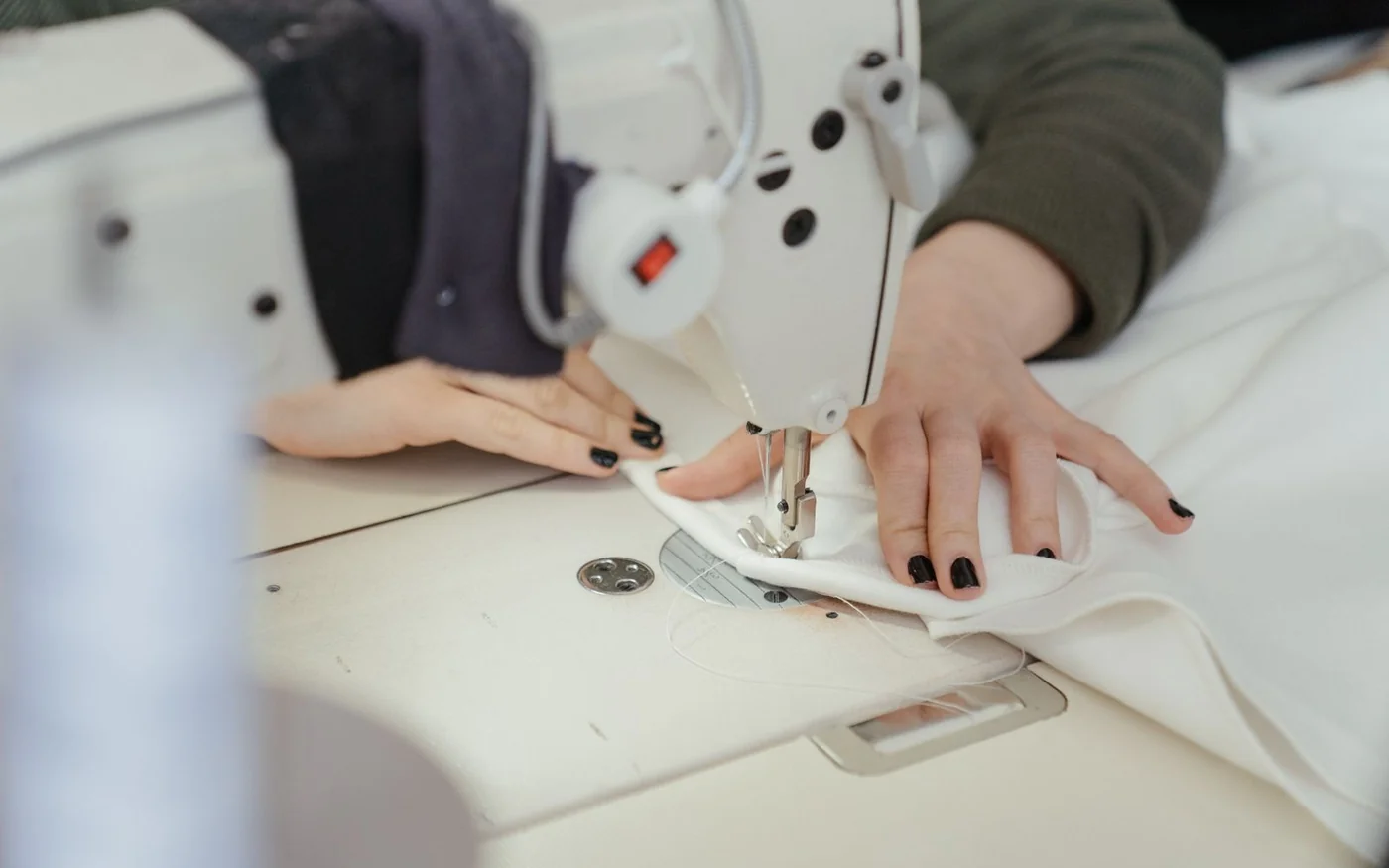
Khalid and Gul were regular gymgoers in Dubai. They told The National they had seen specialist brands elsewhere and thought there was room for a Dubai brand with clothing designed specifically for gym training. In their company’s account of the early days, they describe reaching out to manufacturers from Dubai, struggling to get interest at their planned volumes and receiving first samples they felt fell well short of what they wanted. They describe roughly six months of back-and-forth before they were happy with the samples and moved into production. The founders’ account of sample development
A founder testing a similar product can turn an observation about fit into a specific question. Who is having the problem, when does it show up and what does the person wear instead? A regular strength trainee might say a top is too tight across the shoulders when reaching overhead. Ask them to show where the fit fails and whether a different size solves it or creates a problem elsewhere. The resulting description gives the person making the sample something they can change and gives the founder a way to check the next version.
After a revision, ask the same people to try the garment under similar conditions. Record where the fit improved and where it moved the problem. If a larger opening gives one person more room but makes the garment feel loose to another, the next decision may be which customer and use to design for. Before committing to production, write down the changes the maker has agreed to reproduce. A promising sample can be handmade or adjusted in ways the first batch will not automatically reflect. Get specific about what you expect to see in that batch and how you will check it when it arrives.
Put an offer in front of people while the risk is still visible
The founders describe using their Dubai apartment as a place to store boxes and shoot product images. Friends helped as models and with photography. They built the early site on WooCommerce and launched a pre-order campaign before the product was available to ship. Their account says they told the audience it would be available in about a month. Their pre-order let someone respond to a concrete offer while the founders were still learning how to deliver it. The founders on the first shoot, website and pre-order campaign
A first product page should let a UAE customer make a decision without having to ask the founder for basic information. Show the garment from angles that make the fit visible, explain how to choose a size and say when you expect it to be dispatched. If you are still making the batch, say what stage it has reached. A customer deciding whether to buy something for use next week needs different information from someone who is comfortable waiting. When questions arrive, write down what the page made clear and what customers still had to ask.
There is a cost to taking orders early. The brand is accepting a commitment while the date, quality or quantity of the goods may still depend on a supplier. Work out what you will tell buyers if the first shipment is late or some sizes fail inspection. Decide who will handle updates and cancellations and whether the team has enough money set aside to deal with them. Treat the first orders as promises to deliver. Keeping a record of what each customer was told also gives you a fairer way to compare later feedback with the offer they saw.
What the AED 800 order proved
Gul’s recollection gives the first order a date, amount and location. It shows one customer was prepared to order from the new Dubai brand. It does not establish how that customer found the site, what they eventually kept or whether later customers would make the same decision. The founders’ account describes launching the website, posting on social media and running Instagram ads. Those activities coincided, so the first order alone cannot tell the founder which channel to put more money into. Gul’s recollection of the AED 800 order The company’s launch retrospective
On an early order log, keep the original offer, source of the enquiry if known, items ordered and what happened through delivery. Note whether the customer was previously known to the founders. An order from a friend can help the team discover how payment, packing and delivery work. An order from someone who had no connection with the business gives a different signal about whether strangers understand and value the offer. If neither source is known, leave it unknown. A business can make a poor spending decision by assigning sales to a campaign simply because the campaign was live.
The next question is what the transaction cost to deliver. In a hypothetical launch, a garment might sell for AED 180. If the product landed at AED 70, payment and packaging cost AED 12 and local delivery cost AED 18, that leaves AED 80 before customer acquisition, exchanges, fixed costs and other expenses. The figures are assumed and are separate from SQUATWOLF’s first order. For a real first batch, start with invoices and delivery records. Review exchanges and returns when enough time has passed for buyers to try the product. An order that appeared attractive at checkout may carry a different cost once it is complete.
Use early customers to decide what deserves a second batch
In June 2026, the brand invited early customers and supporters back to train together at a Dubai workout. The event shows how the company chose to recognise its early community ten years after launch. It is separate from the evidence about who placed the first order and what they did afterward. Dubai.News on the tenth-anniversary workout
SQUATWOLF’s anniversary reel shows the gym gathering and credits the people who supported the brand early on.
During a launch, talk to people after they have actually used the product. Ask when they wore it, what worked in that setting and what they would change. Put their answers alongside returns and exchange requests. If customers keep exchanging the same size, look at the size guide and the garment measurements before changing the whole range. If people report a problem after several washes, ask about the conditions and see whether the issue can be reproduced. A detailed response from a buyer can guide the next test even when the number of buyers is too small to establish a general pattern.
Before reordering, look at the sizes or variants that sold and what remained. A batch can appear to sell well while the common sizes run out early and the rest tie up cash. Check when the stockouts happened and which potential purchases you actually observed. Messages asking when a size returns can help point to a shortage, while confirmed repeat purchases tell you more about willingness to pay. Use the evidence to adjust the next order and preserve some room to respond if the mix surprises you again.
Keep a sample from the actual batch for comparison with later orders. If a customer reports that the fit changed, check whether the garment they received matches the dimensions and fabric that were approved. If it matches, the problem may be in the sizing explanation or the original design. If it differs, ask the supplier where production departed from the sample. Those are different conversations and may call for different spending. A good return note will identify the order and batch so the founder has a chance to trace the problem while records are fresh.
Choose the next investment based on the problem you can see
Suppose you can make a reliable garment and deliver small orders, but nearly all buyers came from people who know the team. The next experiment could put the existing offer in front of a small group of Dubai gymgoers outside that network. Keep the offer stable so you can see whether they understand it and where they hesitate. If strangers already order but exchange frequently, more traffic could add work without helping you resolve the fit problem. Spend first on learning where the mismatch comes from, then measure what changes.
If orders are profitable before the cost of attracting a buyer, check how that cost changes as you move beyond the early audience. A founder can separate an event that introduces people to the product from a campaign that generates traceable purchases. Both may be worthwhile, but each needs its own measure. Give each test a budget and a review date. Decide ahead of time whether the result would justify a larger production run, a revised product page or a smaller test of a different offer.
Keep the next commitment proportional to what you know. A good sample can justify showing the product to prospective buyers. A set of pre-orders can justify preparing the team to fulfil them if the costs and delivery risks are understood. A batch that customers received and kept can justify testing another batch with a better size mix or a clearer way to reach people. At each point, write down what would make you stop, change direction or proceed. That gives the founder a way to use feedback before the cost of reversing a decision rises.
SQUATWOLF’s first Dubai order came after the founders found a way to make a sample they accepted and put a specific offer in front of buyers. For a founder at the same stage, choose the next piece of evidence you need. It could be a garment that performs as intended, a commitment from a customer outside your network or a completed delivery whose costs you understand. Build the next test around that question and use the result to decide what the business can promise next.


Comments (0)
No comments yet. Be the first!